
Online Persian-Speaking Therapy & Psychological Counseling for California Residents
Confidential video psychotherapy with Honar-e Hal-e Khoob Psychology Clinic, supervised by Dr. Mohsen Nazari. Compassionate, culturally attuned care for Iranians living thousands of miles from home who wish to explore life's deepest challenges in their mother tongue.
Book an Online Consultation
Los Angeles nights can feel quiet—even when you find yourself caught in the world-famous gridlock of Interstate 405, staring at an endless sea of crimson brake lights. A delayed morning commute, high-stakes corporate meetings, an evening video call with relatives in Iran who are just waking up, and right in the middle of it all, a deep emotion lingers on your tongue that defies direct translation in any English dictionary: "Delam gerefteh" (a distinct Persian idiom expressing heavy, constricted sorrow in the chest).
That is precisely when many Iranians in California arrive at an important realization: it makes a profound difference to speak with someone who shares your native tongue. Someone to whom you don't need to explain what "Aberooh" (family honor and social face) truly entails, or why midnight on Nowruz can paradoxically feel like the loneliest hour of your year. Honar-e Hal-e Khoob Psychology Clinic, under the clinical leadership of Dr. Mohsen Nazari, psychologist and psychotherapist, conducts online psychotherapy and counseling sessions in Persian (Farsi)—accessible to Iranians in every corner of California and throughout the United States, without driving a single mile in freeway traffic.
Below, you will discover how these teletherapy sessions operate, who benefits most from them, how scheduling is coordinated across the time difference with Iran, and which critical questions to ask before booking your first consultation.
Why Having a Persian-Speaking Therapist is Itself Part of the Healing Process
California has no shortage of skilled American psychologists; from Los Angeles to Berkeley, you can find extensive registries of seasoned mental health practitioners. Yet the lived experience of countless Persian speakers tells a different story: discussing grief, deep-seated anxieties, and childhood memories in a second language demands substantial cognitive overhead. Instead of connecting with your feelings, your mind gets caught up in translating them.
The Language of Emotion is Your Mother Tongue
The memory of a grandparent, a melody that evokes gentle nostalgia, the tender nicknames once spoken at home—all of these emotional pathways are encoded in Persian. In a therapy session conducted in your native tongue, your mind bypasses that extra layer of cognitive translation and connects straight to the heart of the matter. For many immigrants, voicing their emotional pain in Persian for the first time unlocks a sense of relief and authenticity that English simply cannot reach.
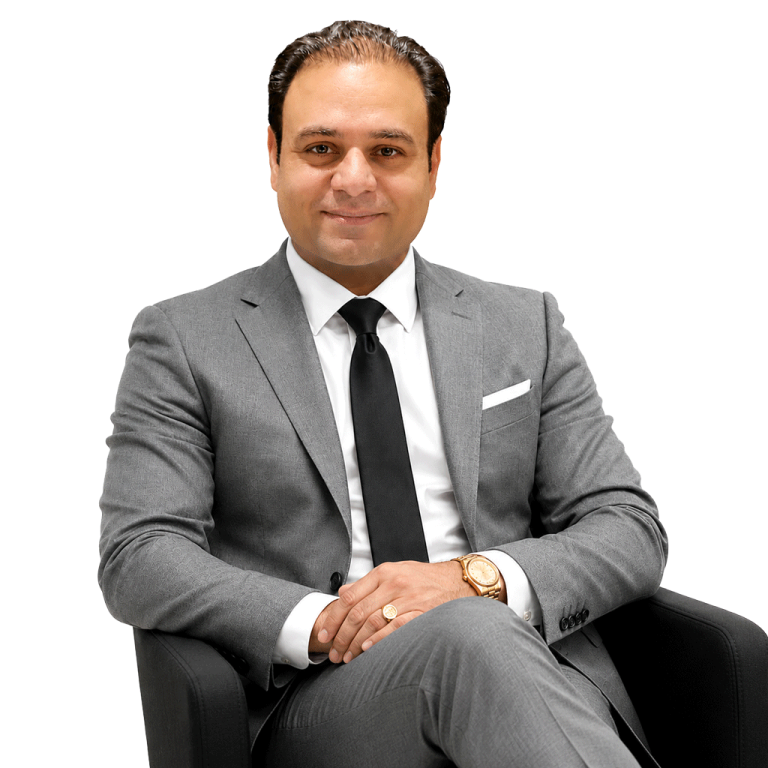
Dr. Mohsen Nazari
Psychologist and psychotherapist directing the clinical care team at Honar-e Hal-e Khoob Clinic. Combining evidence-based modalities (CBT, ACT, and Emotion-Focused Therapy) with a deep, lived understanding of the psychological realities facing Iranian expatriates worldwide.
Pressures Only an Iranian Truly Understands
The persistent stress of visa renewals and immigration uncertainty, being thousands of miles away from aging parents, the survivor's guilt of living comfortably while family back home faces economic hurdles, and negotiating two contrasting cultures to raise your children. These are realities that take half a session to explain to an outsider just for basic cultural context. Honar-e Hal-e Khoob Clinic designed its counseling services with this exact lived reality in mind—serving Iranians and Persian speakers worldwide, particularly in California, home to the largest Iranian diaspora community outside Iran.
Second-generation Iranian-Americans experience their own unique complexities. An adolescent or young adult who speaks English at school in San Jose or Irvine and Persian at home often feels alienated from both worlds. Speaking with a therapist who understands both cultural spheres helps them stop feeling torn between two conflicting identities, and instead build a grounded bridge connecting both.
What Does Online Therapy Look Like in Practice?
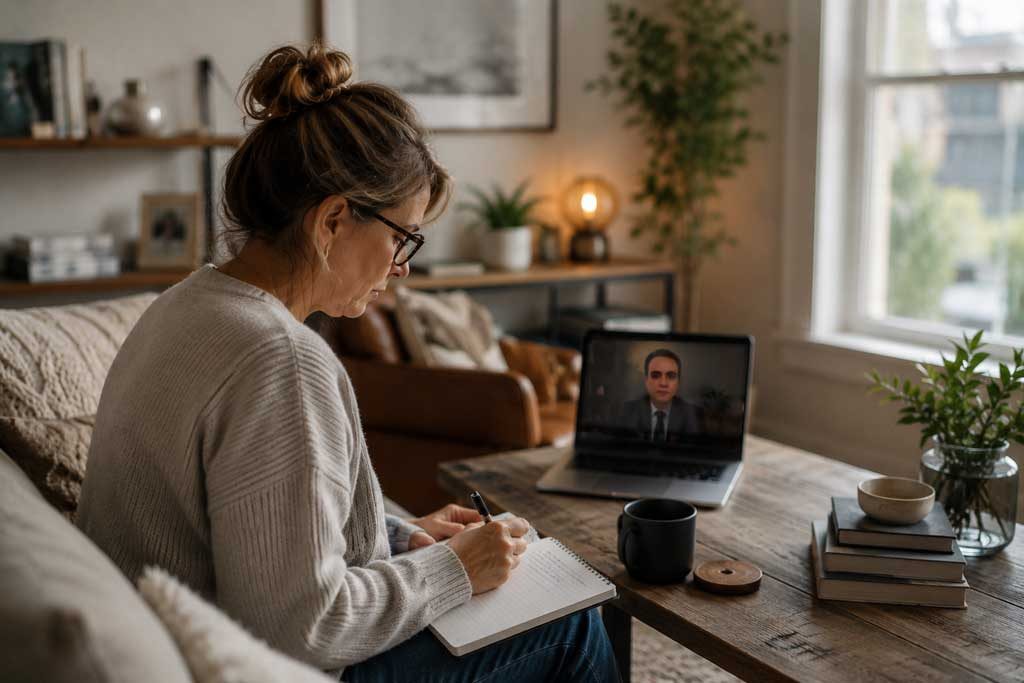
The structure is straightforward and confidential: a secure, high-definition video call lasting approximately 50 minutes, held once weekly according to a dedicated schedule arranged with your therapist. All you need is a reliable internet connection, a smartphone or laptop, and a quiet room where you feel safe. Some California clients even hold their sessions from their parked car between workday meetings—and to get started, that is more than sufficient.

The typical therapeutic journey unfolds in four clear steps:
- Step 1 — Initial Consultation Request: Reach out through our Contact Us page to coordinate a brief preliminary intake conversation.
- Step 2 — Comprehensive Clinical Assessment: Your therapist listens to your concerns, reviews your personal and psychological background, and collaborates with you to define your core therapeutic goals.
- Step 3 — Tailored Treatment Roadmap: Evidence-based therapeutic approaches are customized to your specific needs—from Cognitive Behavioral Therapy (CBT) for anxiety and OCD to couples counseling for interpersonal relationship repair.
- Step 4 — Consistent Follow-Up & Milestone Review: Sessions proceed on an ongoing weekly basis, with periodic milestone reviews to evaluate tangible growth and adjust therapeutic interventions.
A Practical Tip for Your First Session
Grab a notepad before your session and write down: "What has been occupying my thoughts and draining my energy the most lately?" It is completely normal for your mind to go blank during an initial consultation; having those few bullet points gives you a reassuring starting roadmap.
Key Topics & Emotional Challenges You Can Address
The clinical scope is broad, with the comprehensive offerings at Honar-e Hal-e Khoob Clinic addressing a wide variety of mental health and life concerns:
- Anxiety & Panic Attacks — From nocturnal restlessness and catastrophic worry to generalized anxiety that impairs work productivity and sleep.
- Depression & Anhedonia — Navigating persistent emptiness, low energy, and days when finding motivation feels out of reach.
- Obsessive-Compulsive Disorder (OCD) — Intrusive thought spirals and compulsive checking or mental rituals that are exhausting to break alone.
- Grief & Complicated Bereavement — Mourning the loss of a loved one far away when visa restrictions or travel barriers prevented you from being there for a final farewell.
- Occupational Burnout — Especially prevalent among tech workers and executives navigating the relentless pace and high-stakes demands of Silicon Valley.
- Couples & Relationship Dynamics — From chronic communication breakdown to acute marital crises, addressed through online couples therapy, even if partners are temporarily residing in different cities.
- Bicultural Parenting & Adolescents — Navigating parenting between traditional heritage and Western values, and fostering healthy communication with second-generation youth.
- Trauma & Post-Traumatic Stress (PTSD) — Healing unresolved historical or recent traumatic experiences that continue to dysregulate your nervous system.
- Emotional Regulation — Cultivating grounding skills when sudden waves of intense anger, overwhelm, or uninvited tears take over.
In-Person vs. Online: A Candid Comparison
Online therapy does not solve every problem, and claiming that it is a universal substitute would be dishonest. This comparison table is designed to help you weigh your options objectively:
| Feature / Criterion | In-Person Therapy in California | Online Persian-Speaking Therapy |
|---|---|---|
| Commute & Travel | Navigating congested freeway traffic and dedicating 1–2 hours to travel | Zero commute; connect from home, private office, or your parked car |
| Therapist Selection | Restricted strictly to licensed psychologists in your immediate driving radius | Access to specialized Persian-speaking clinicians regardless of geography |
| Language of Care | Predominantly English; very few fluent Persian-speaking clinicians available locally | Farsi (Persian)—the authentic language of your emotions and memories |
| Session Setting | Formal clinical office environment | Your own safe space; many clients find it easier to open up at home |
| Continuity During Travel | Frequently interrupted during interstate travel or business trips | Continuous care without disruption; requires only an internet connection |
| Acute Crisis & Emergencies | Immediate access to local in-person crisis evaluation and inpatient care | Not appropriate for active crises; must be redirected to local emergency services |
When Online Therapy is Not the Right Choice
If you are experiencing active thoughts of suicide, self-harm, or harming others, or if you are experiencing severe psychiatric symptoms such as hallucinations, mania, or acute psychosis, the only appropriate pathway is immediate emergency care in California. Call or text 988 (the national Suicide & Crisis Lifeline in the US, available 24/7, free and confidential, offering interpreters in multiple languages) or call 911. Online outpatient therapy cannot replace emergency clinical intervention; ethical care begins with clear safety boundaries.
California vs. Iran Time Difference & Scheduling
California (Pacific Time - PT) is approximately 10.5 to 11.5 hours behind Iran Standard Time (IRST), depending on daylight saving time shifts. Iran is ahead: for example, 9:00 AM on Sunday morning in Los Angeles corresponds to approximately 7:30 PM on Sunday evening in Tehran. This time equation creates a convenient scheduling window:
- California Mornings (7:00 AM – 11:00 AM PT): Corresponds to Iran Evenings (5:30 PM – 9:30 PM IRST) — The most alert, productive window for both client and therapist.
- California Midday (11:00 AM – 1:00 PM PT): Corresponds to Late Night in Iran — Generally not recommended for optimal clinical focus.
- California Evenings (After 5:00 PM PT): Corresponds to Early Morning hours of the following day in Iran — Available only by special advance arrangement.
Clinical experience confirms that California weekend mornings are the most popular choice for clients: you enjoy your morning tea, your home is peaceful and quiet, and it is a comfortable evening hour on the other side of the world. When booking an appointment through the Honar-e Hal-e Khoob Clinic Contact Page, simply state your preferred morning time window to expedite coordination.
California Licensing & Legal Framework: Questions to Ask
California maintains strict professional regulations for mental healthcare providers, which serves to protect consumers. According to official guidelines from the California Board of Psychology, providing ongoing psychological treatment to an individual physically located in California generally requires an active California state license, and California is not currently a participating jurisdiction in the interstate PSYPACT compact. (While recent legislation created a limited 30-day temporary practice pathway for out-of-state licensed psychologists, this provision does not cover ongoing long-term therapy).
What does this mean for you as a client? Whichever mental health clinician or practice you consider—regardless of where they are based—always ask three clear questions:
- What are your clinical credentials, and which official authority issued them? (For Iranian psychologists, active licensing can be officially verified through the Psychology and Counseling Organization of Iran - PCOI).
- Is the service classified as "clinical psychotherapy" or "international mental health consultation and coaching"? This distinction is crucial regarding documentation validity, clinical liability, and insurance reimbursement.
- If I require medical evaluation, psychiatric prescriptions, or local care, what is your referral protocol?
Asking these questions demonstrates that you take your mental health and consumer rights seriously. Reputable clinics, including Honar-e Hal-e Khoob, welcome these inquiries and clearly explain their regulatory framework and service boundaries before commencing sessions. For independent research, official links to the California Board of Psychology Telehealth FAQ and the PSYPACT registry are provided in the reference section below.
Session Fees, US Health Insurance & Privacy
To be completely transparent: US health insurance plans (such as Kaiser Permanente, Blue Shield of California, Anthem, or Aetna) almost exclusively reimburse providers who hold active US state licenses and participate within their provider networks. Therapy sessions conducted with providers based outside the United States are virtually always private-pay (out-of-pocket). Before getting started, check with our clinic intake team: What is the exact per-session fee? How long does each session run? What is the 24-hour rescheduling and cancellation policy? Clarifying these three points upfront eliminates any future uncertainty.
Regarding confidentiality: All disclosures during sessions remain strictly confidential between you and your psychotherapist, protected by universal professional ethics, except in rare legally mandated circumstances involving imminent danger to yourself or others. Client-side privacy is just as vital: put on noise-canceling headphones, ensure your room door is securely closed, and if you share your living space with others, establish clear, undisturbed boundaries during your therapy hour.

Therapy with Honar-e Hal-e Khoob Psychology Clinic
Honar-e Hal-e Khoob Psychology Clinic, under the clinical leadership of Dr. Mohsen Nazari, licensed psychologist and psychotherapist, delivers comprehensive counseling and psychotherapy services to Iranians and Persian speakers worldwide. Services range from individual therapy for anxiety, depression, and OCD to online couples therapy and specialized personal growth consultation. The journey begins with a transparent, welcoming preliminary intake to determine the most effective roadmap for your current life circumstances.
To explore our therapeutic philosophy and meet our clinical team, please visit our About the Clinic page or proceed directly to our Contact Us page. For California residents, Saturday through Tuesday morning slots (Pacific Time) typically offer the smoothest scheduling availability.
- Designate a dedicated session space: Choose a quiet, consistent corner of your home; over time, your brain will naturally recognize that spot as a space for psychological safety and reflection.
- Take a 10-minute digital decompression buffer: Put your smartphone away and breathe mindfully before your session begins; entering the call with calm focus yields substantially deeper work.
- Keep a dedicated therapy journal: Significant personal insights and emotional patterns frequently emerge between sessions; writing them down prevents valuable takeaways from fading.
- Embrace radical honesty over people-pleasing: Bring your raw, unvarnished distress to your therapist rather than a socially presentable version; your therapist is your clinical ally, not your judge.
- Pause major life-altering decisions during acute distress: As a clinical guideline, avoid making hasty life pivots during intense therapeutic phases; establish emotional equilibrium first, then pursue purposeful change.
- Waiting until total emotional breakdown: Many individuals delay seeking support until their sleep, career, and marriage have all fractured simultaneously. Reaching out early makes the recovery path vastly smoother and shorter.
- Concealing facts to protect "Aberooh" (family pride / social image): Hiding difficult truths from your therapist ultimately deprives you of effective healing; therapy is an entirely confidential, non-judgmental space.
- Choosing a therapist solely based on the lowest price tag: The strength of the therapeutic alliance is the single most decisive factor in positive therapy outcomes. Evaluate genuine clinical connection and cultural competence during your initial sessions.
- Giving up prematurely after two or three sessions: Meaningful, lasting cognitive and behavioral change typically begins consolidating around session six and beyond; patience is an active element of the therapeutic process.
- Forcing an unwilling partner or family member into therapy: Coercion rarely produces authentic engagement. Begin with an empathetic, non-confrontational conversation about their personal readiness first.
Conclusion: Your Next Step Begins Today
Living far from your homeland comes with unique emotional complexities, but accessing culturally attuned, Persian-speaking psychological support should never be an obstacle. If you reside in any city across California and yearn for an authentic, deep conversation in your native language, Honar-e Hal-e Khoob Psychology Clinic and the clinical team supervised by Dr. Mohsen Nazari are here to provide that dedicated space: consistent online sessions, a transparent treatment plan, and a clinical ally who speaks your language and understands your lived cultural world.
A single session is a courageous first step. Take that first step today through the Honar-e Hal-e Khoob Clinic Contact Page.
Frequently Asked Questions from California Iranians About Online Therapy
How long does each online therapy session last, and how often are sessions held? +
Each session lasts approximately 50 minutes, and once-weekly sessions are recommended in most clinical situations. For acute conditions—such as severe OCD or relationship crises—the therapist may initially recommend twice-weekly or extended sessions; you will determine the exact schedule together during your initial assessment session.
Is online video therapy truly as effective as in-person therapy? +
For the most prevalent psychological concerns—including anxiety disorders, mild-to-moderate depression, adjustment challenges, and relational conflicts—extensive clinical research demonstrates no significant difference in efficacy between video teletherapy and in-person sessions. For severe psychiatric emergencies requiring intensive medical stabilization or specialized facilities, online therapy alone is insufficient, and an ethical clinician will facilitate an immediate referral to local emergency care.
With the California–Iran time difference, how do I schedule my appointments? +
A reliable rule of thumb: your morning corresponds to Iran's evening. California morning hours between 8:00 AM and 11:00 AM PT align with 5:30 PM to 8:30 PM IRST in Tehran, making it the most convenient window for both sides. When submitting your inquiry on our contact page, simply indicate your preferred morning availability to streamline scheduling.
Can sessions be arranged for a bilingual Iranian-American teenager? +
Yes. Therapy with second-generation youth is conducted bilingually; adolescents are encouraged to express themselves in whichever language feels most comfortable and emotionally natural for them. Brief parent check-ins at the beginning or end of sessions are integrated with sensitivity to Iranian family values, while strictly safeguarding the adolescent's personal therapeutic confidentiality.
Will my California / US health insurance cover these online sessions? +
Generally, no. US health insurance providers typically only reimburse clinicians who are actively licensed within the United States and participating in-network or eligible for out-of-network superbills. As such, sessions with international clinics are almost universally private-pay (out-of-pocket). We recommend contacting your insurance carrier directly prior to care to verify your specific policy terms.
Are the conversations and disclosures made during sessions kept strictly confidential? +
Yes. All clinical discussions remain strictly confidential and will never be disclosed to third parties—including family members or employers—without your explicit written authorization, except in mandated emergency circumstances involving imminent danger to yourself or others. Client-side privacy is also essential: we encourage wearing headphones, using a private room, and securing your personal device.
What should I do if an acute psychiatric crisis arises in the middle of the night? +
Scheduled outpatient therapy is not an emergency crisis intervention service. In an acute psychological emergency in the United States, immediately call or text 988 to connect with the 24/7 Suicide & Crisis Lifeline (free, confidential, and available nationwide). If someone is in immediate physical danger, dial 911 or go to your nearest emergency room. You should also formulate a localized safety plan with your therapist during your sessions.
Your Conversation is Only a Message Away
Complete the consultation inquiry form at Honar-e Hal-e Khoob Psychology Clinic to coordinate your initial consultation supervised by Dr. Mohsen Nazari—in Persian, from any city across California.
Contact Honar-e Hal-e Khoob ClinicThis article is provided for psychoeducational and service informational purposes only and does not substitute for an in-person clinical assessment, medical diagnosis, or formal psychiatric care. In an acute emergency within the United States, please dial 988 or 911 immediately.